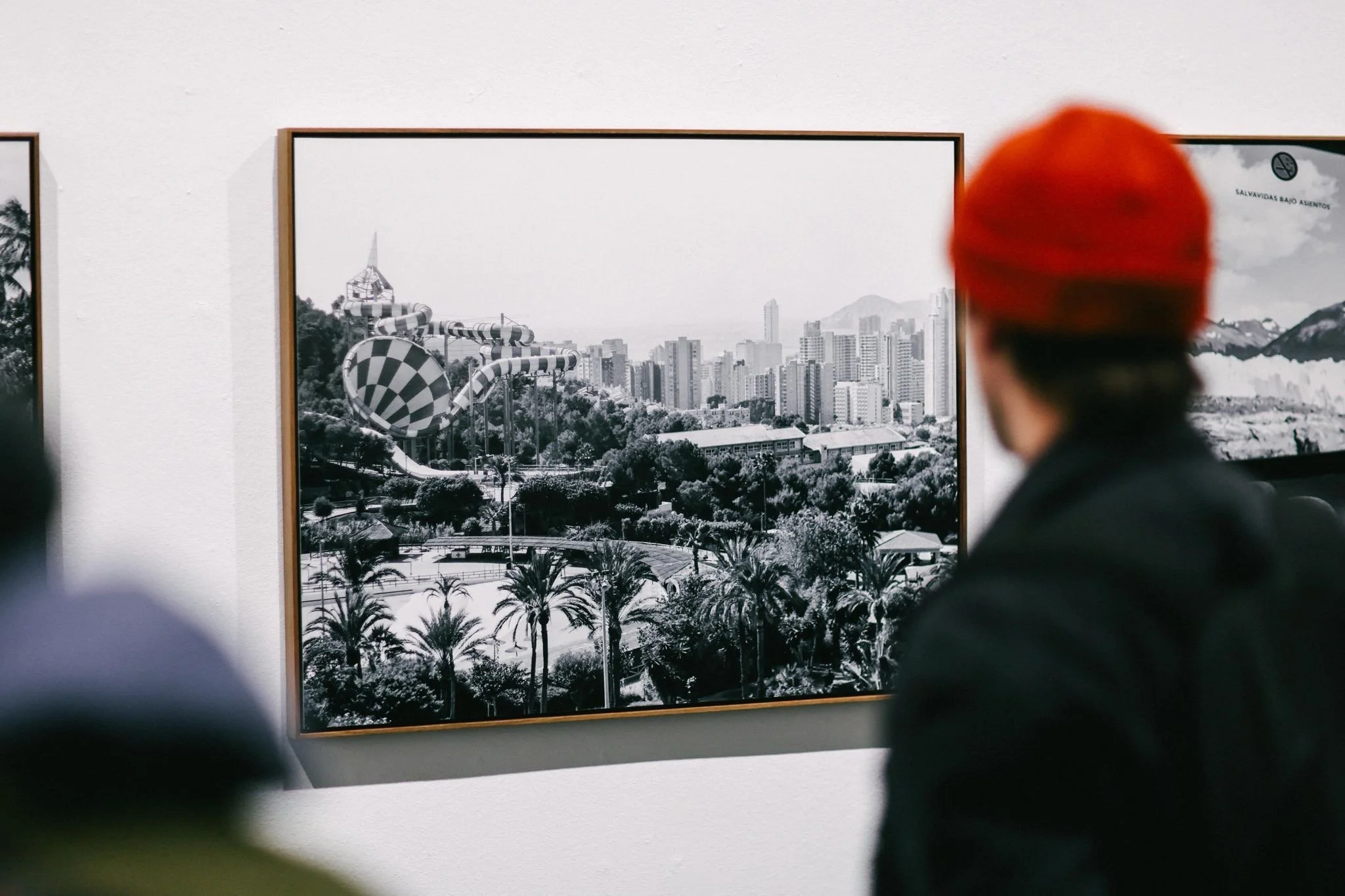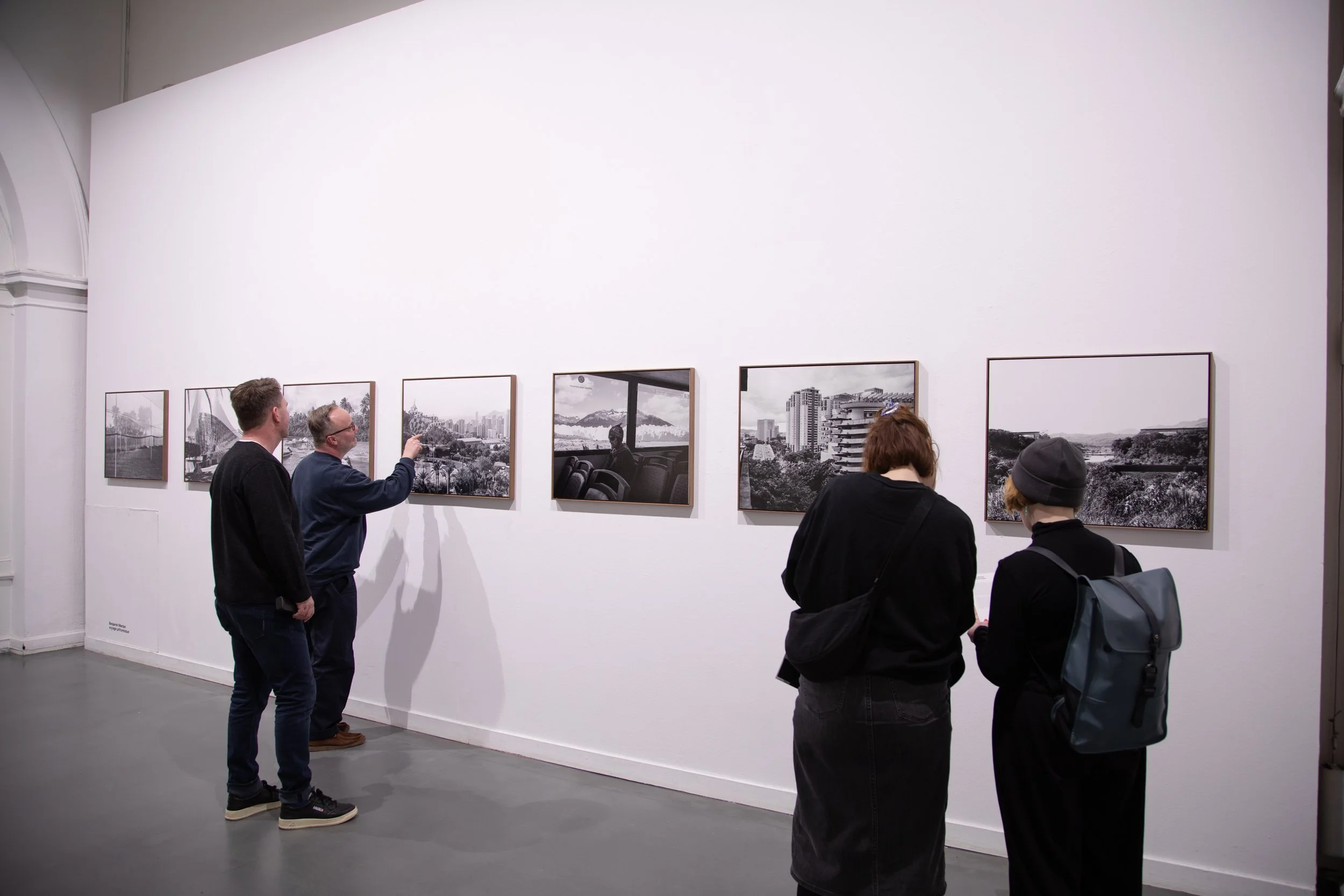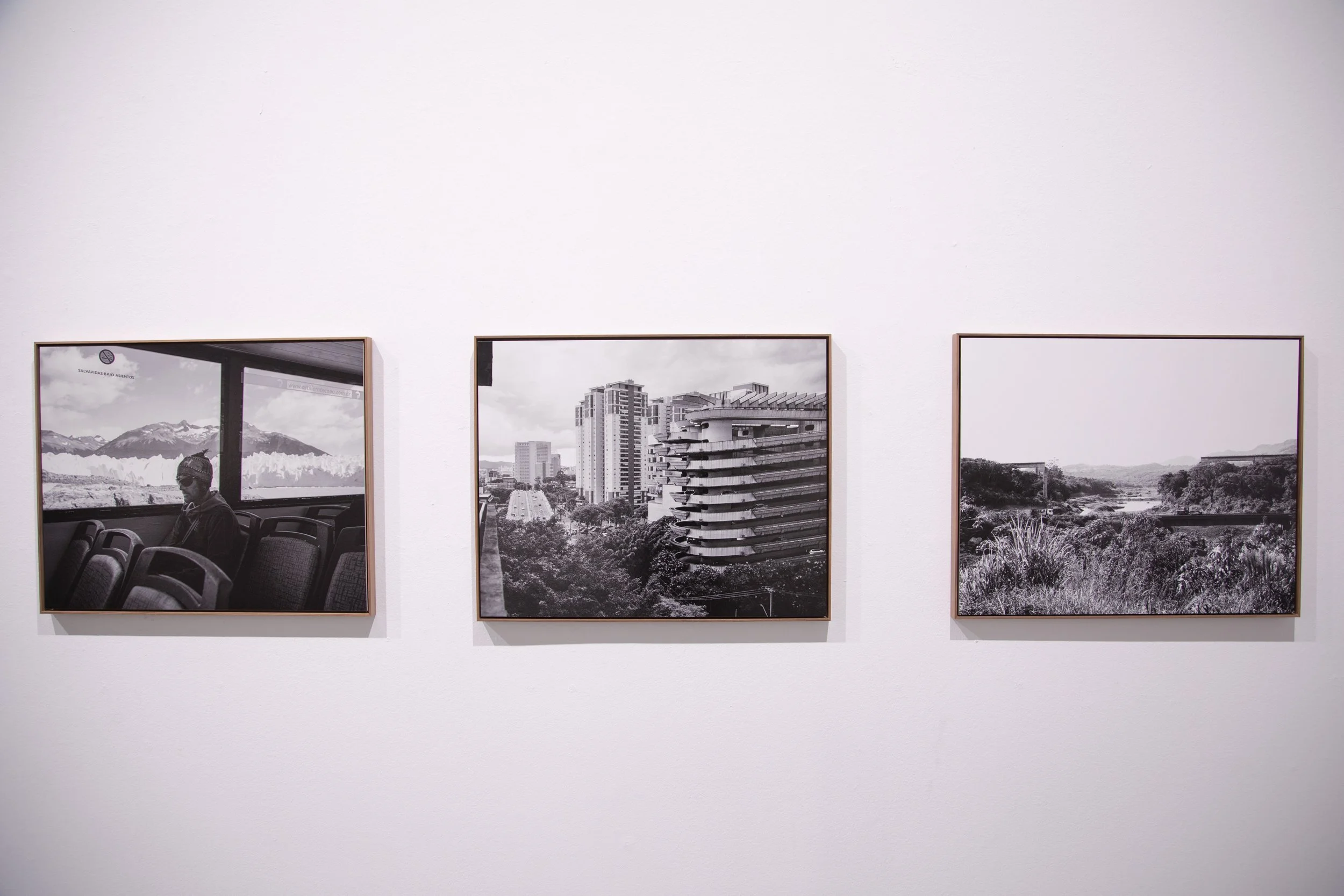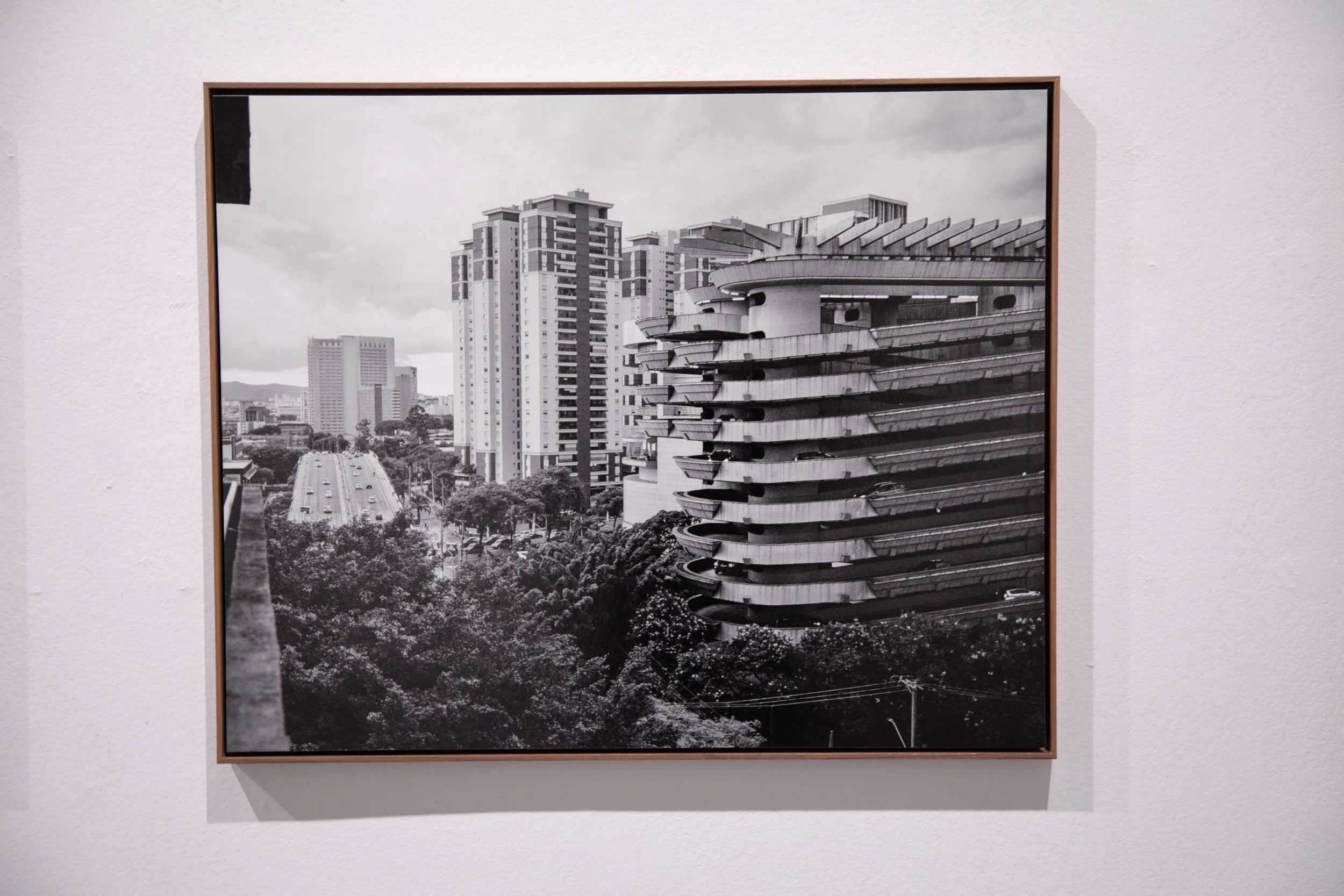
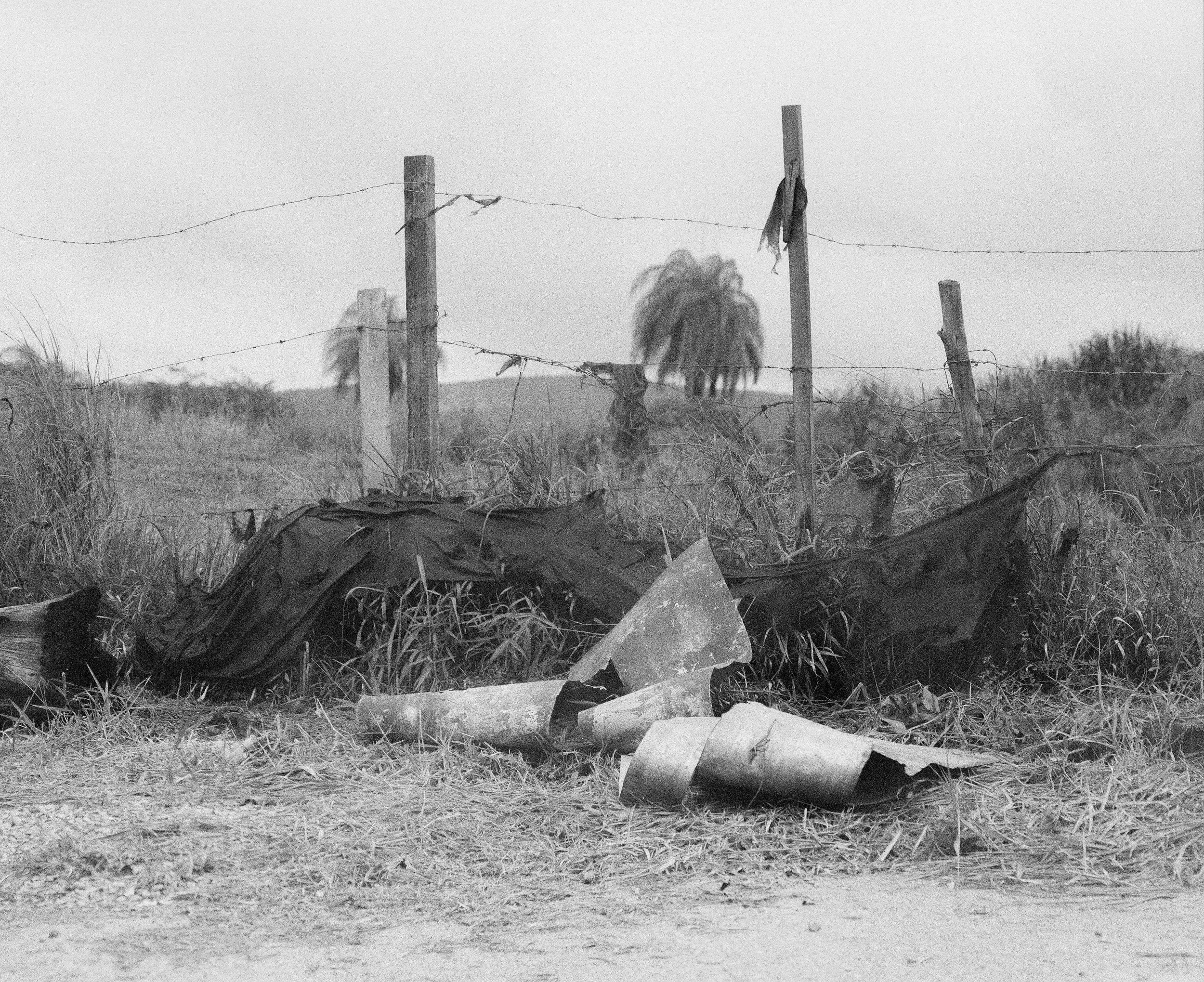
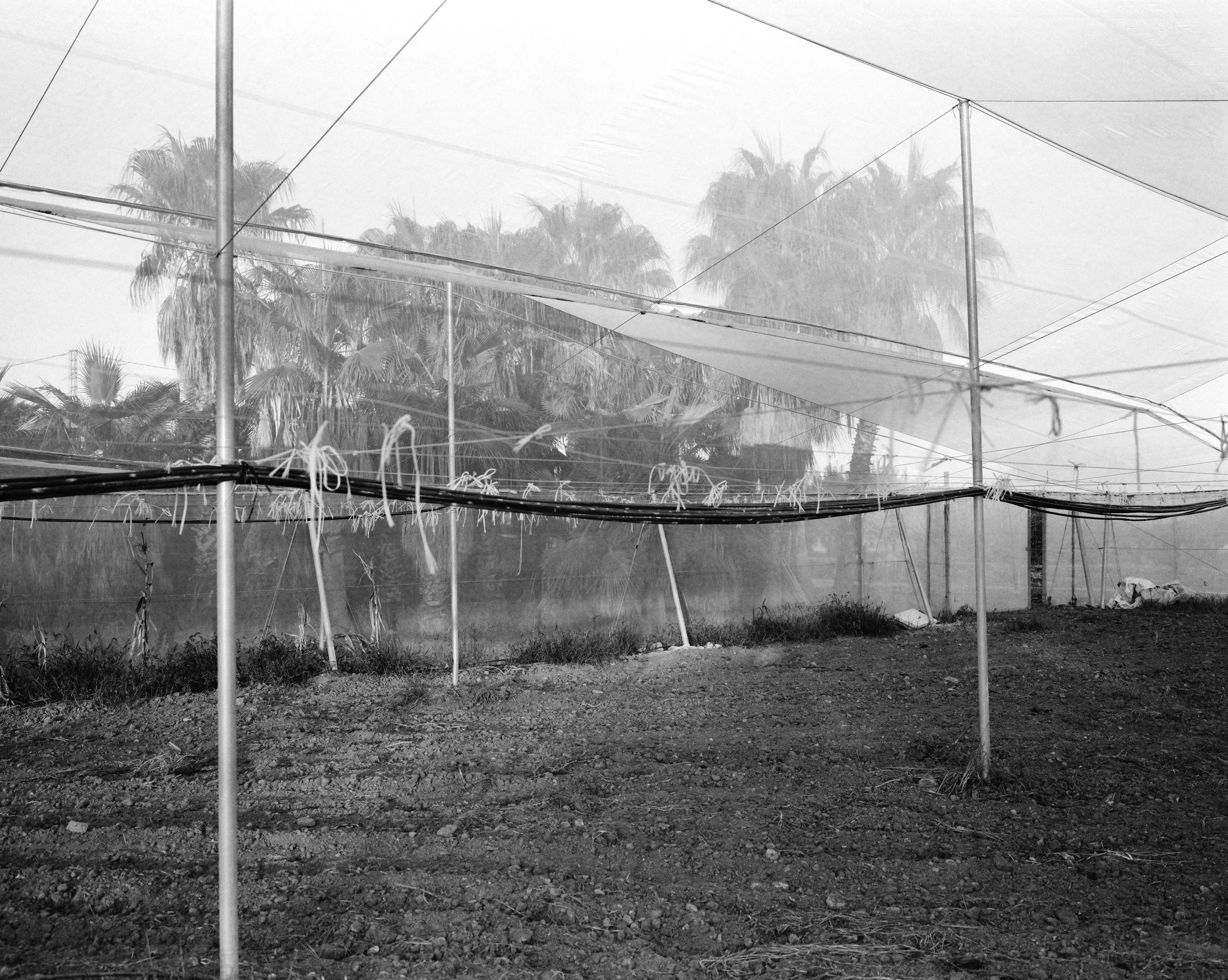
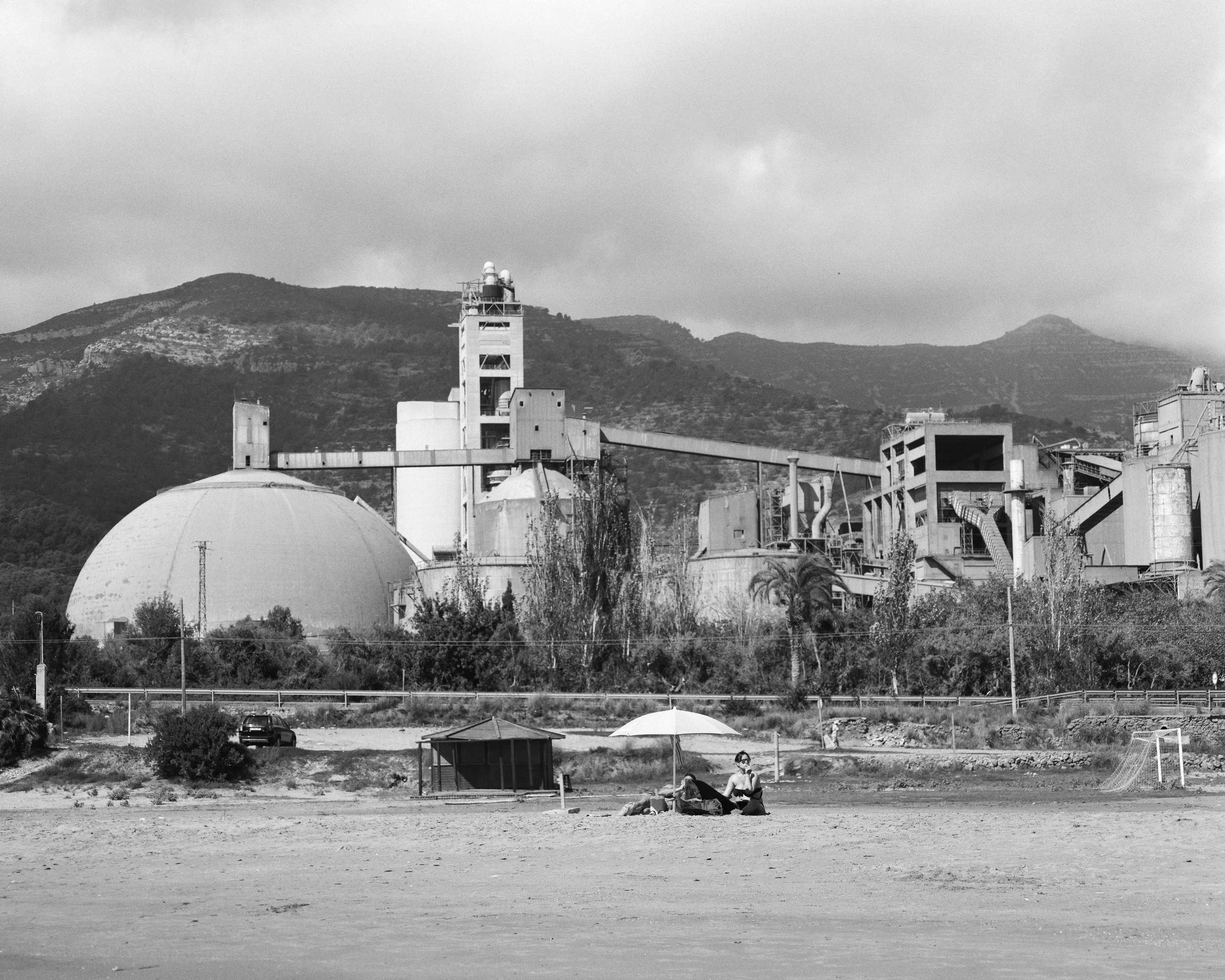
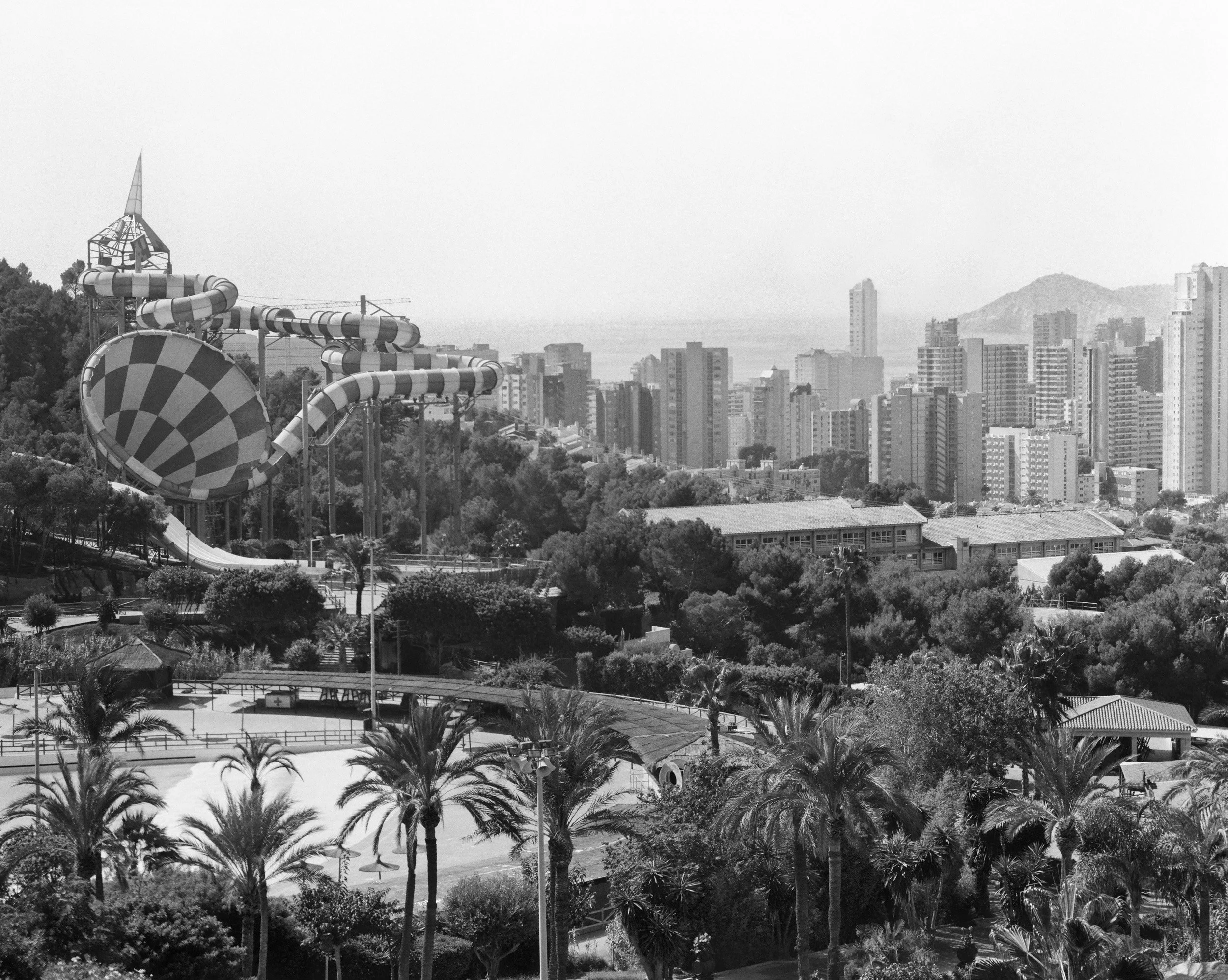
Der Titel nimmt Anleihe bei einem Buch von Moritz Rugendas, das 1835 erstmals veröffentlicht wurde und 100 Lithographien aus Brasilien beinhaltet. Der Maler zeichnete die „exotischen“ Landschaften für Alexander von Humboldt, der ihm eine besondere Gabe in der Darstellung der „Physiognomik der Natur“ attestierte.
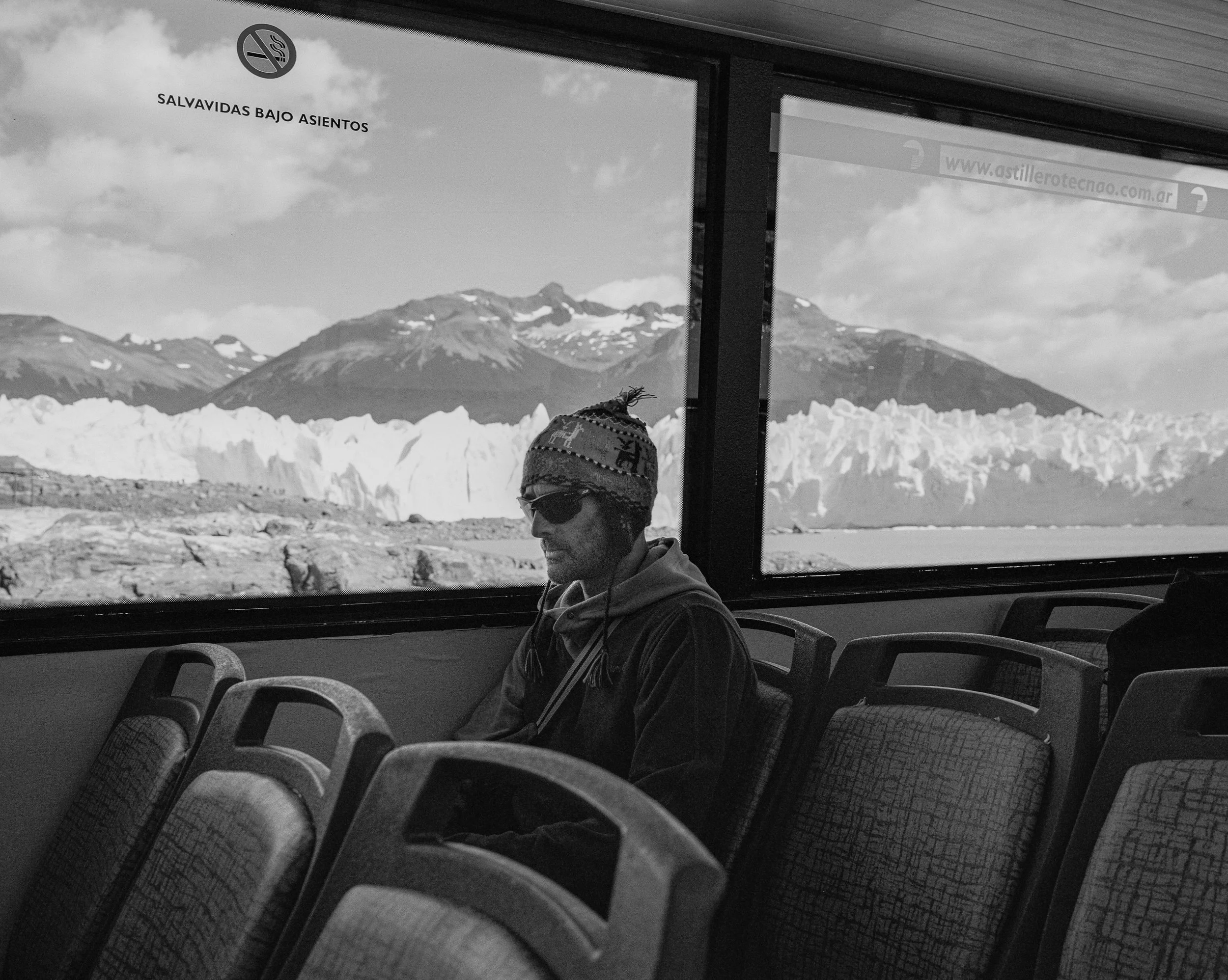
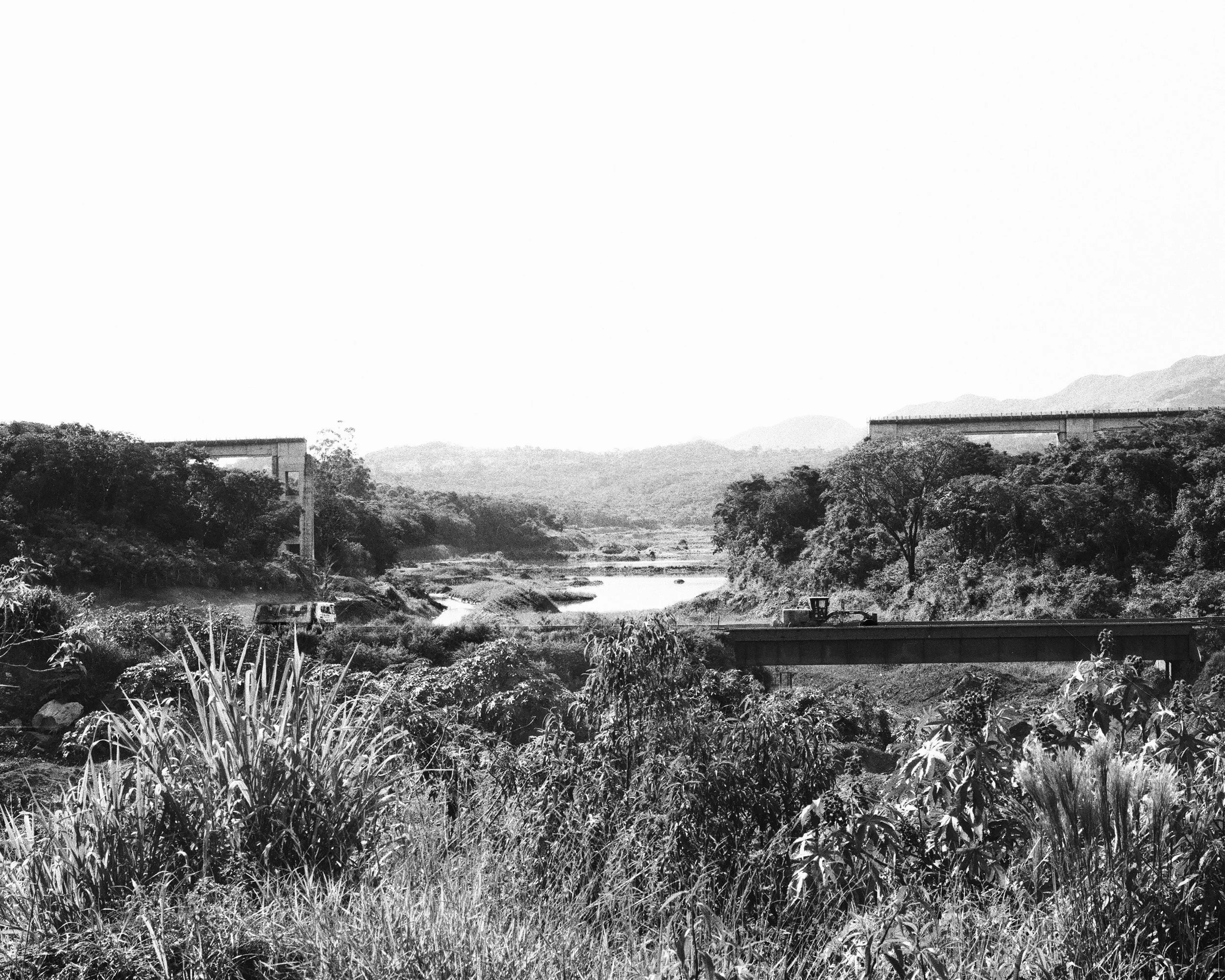
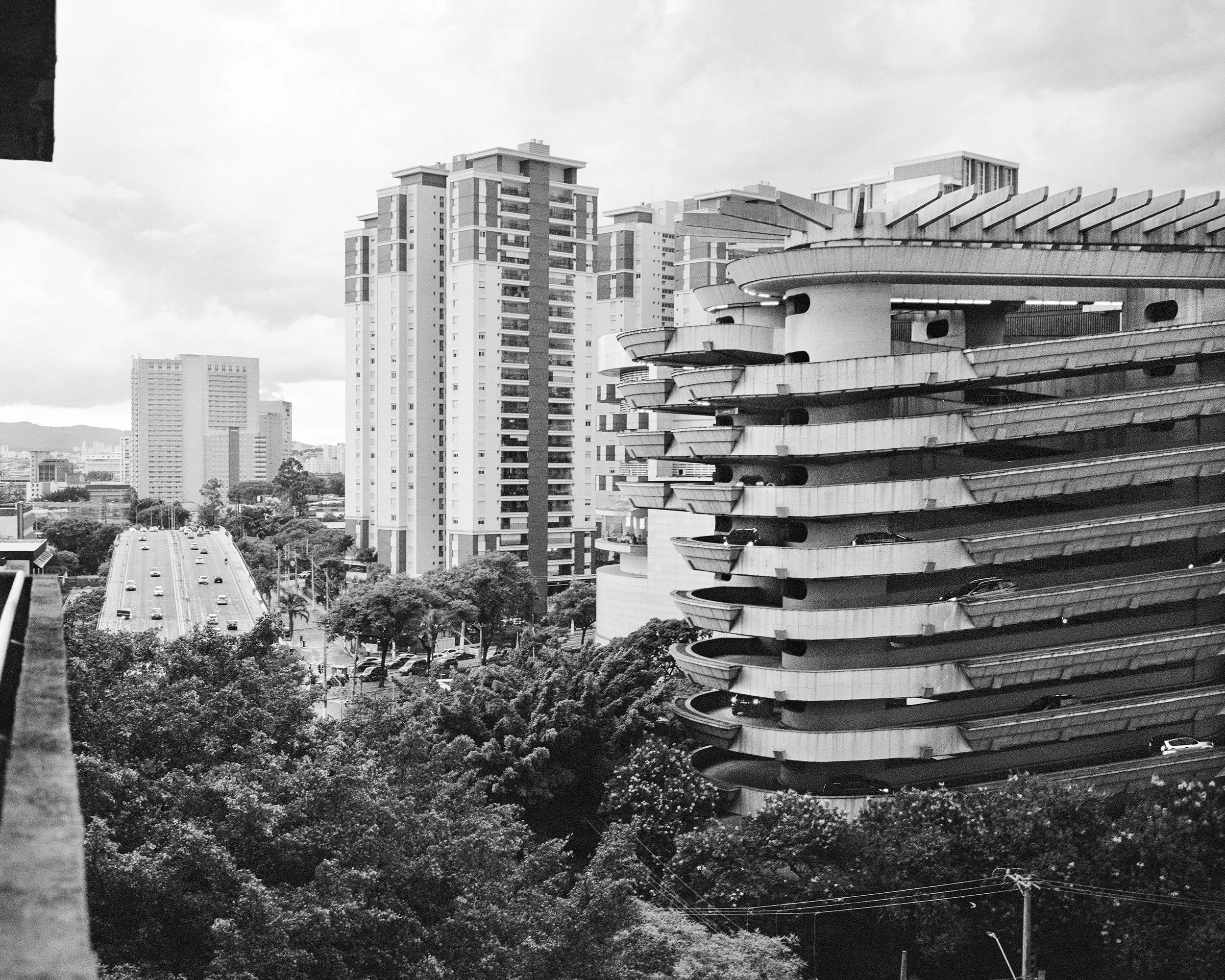
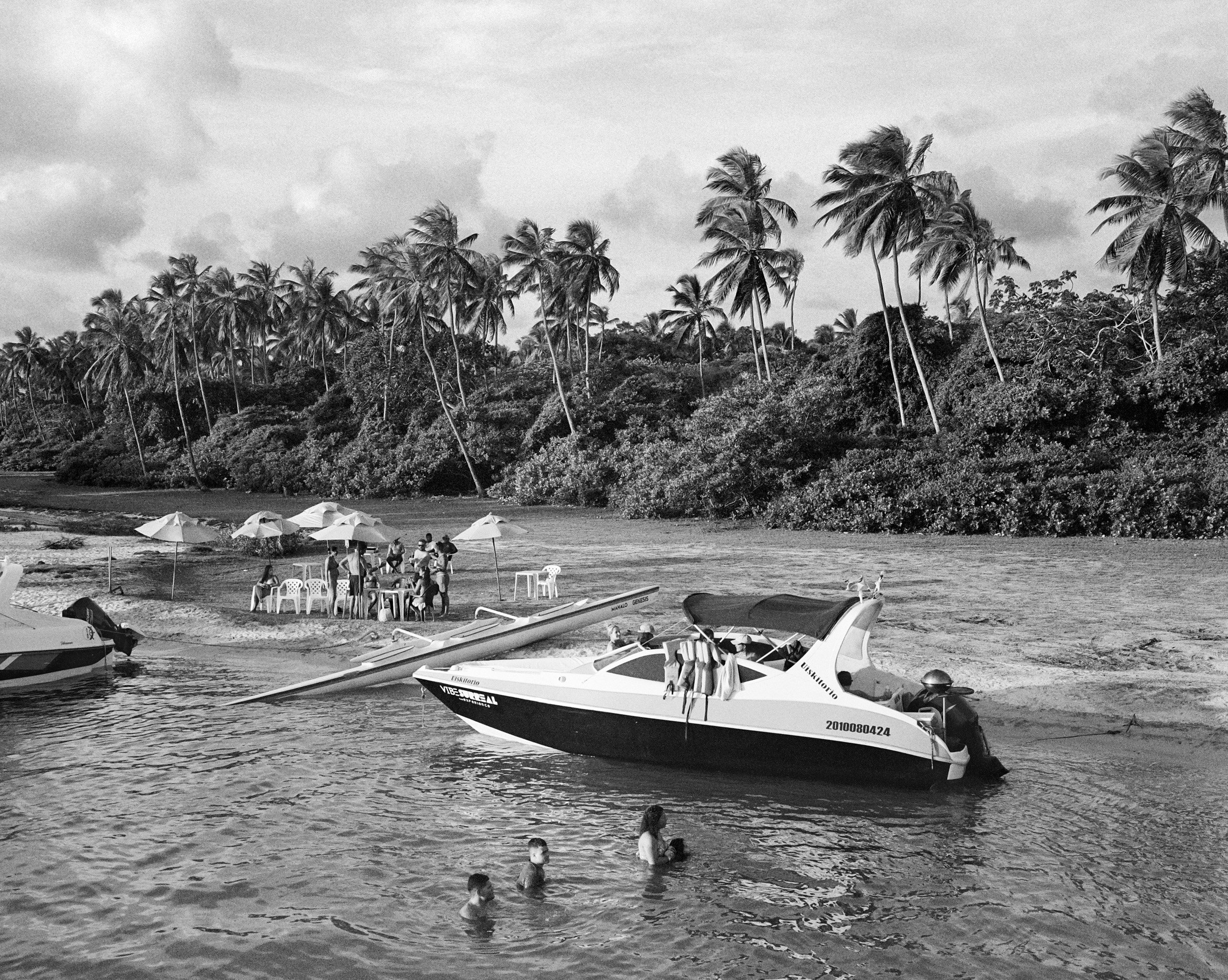
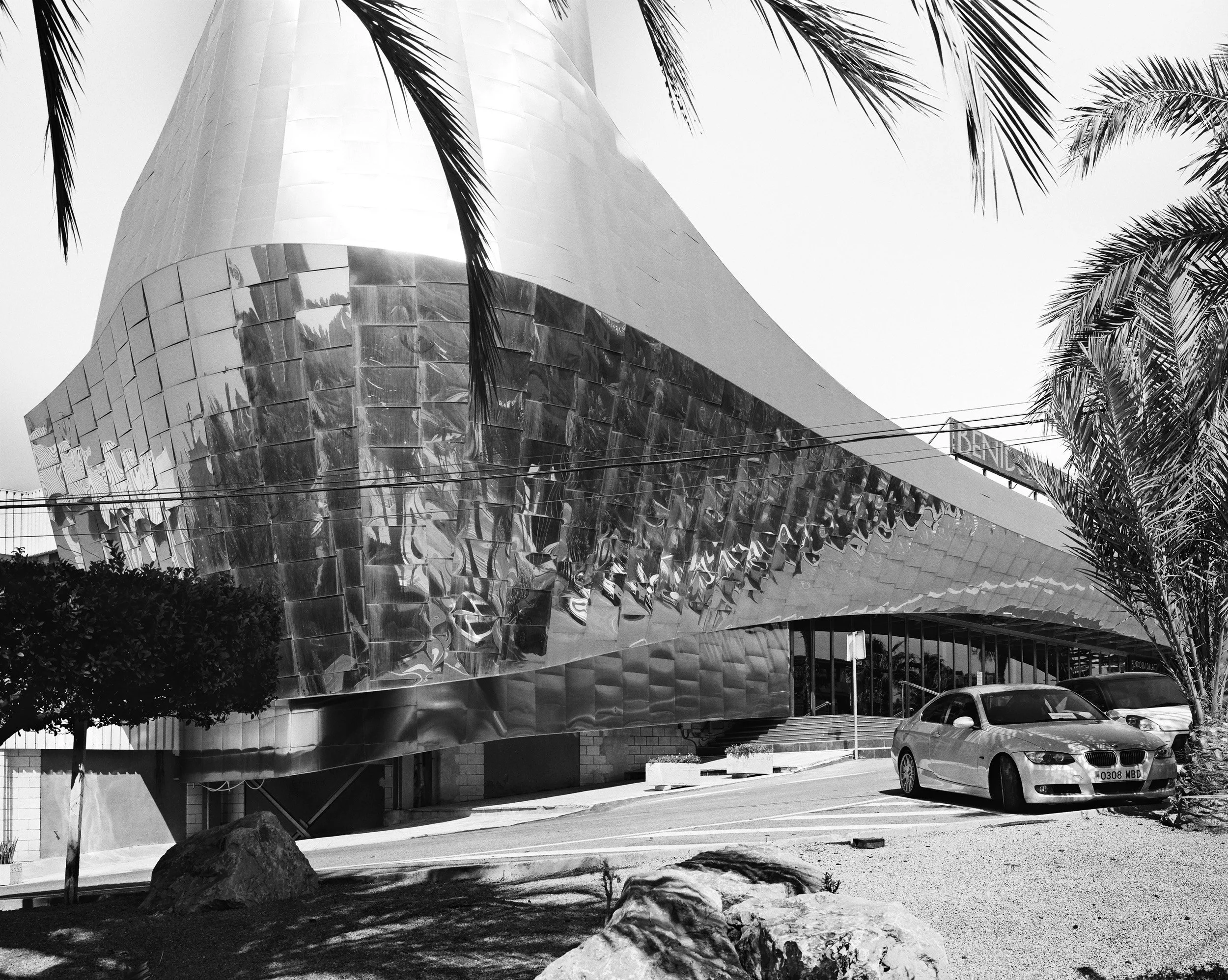
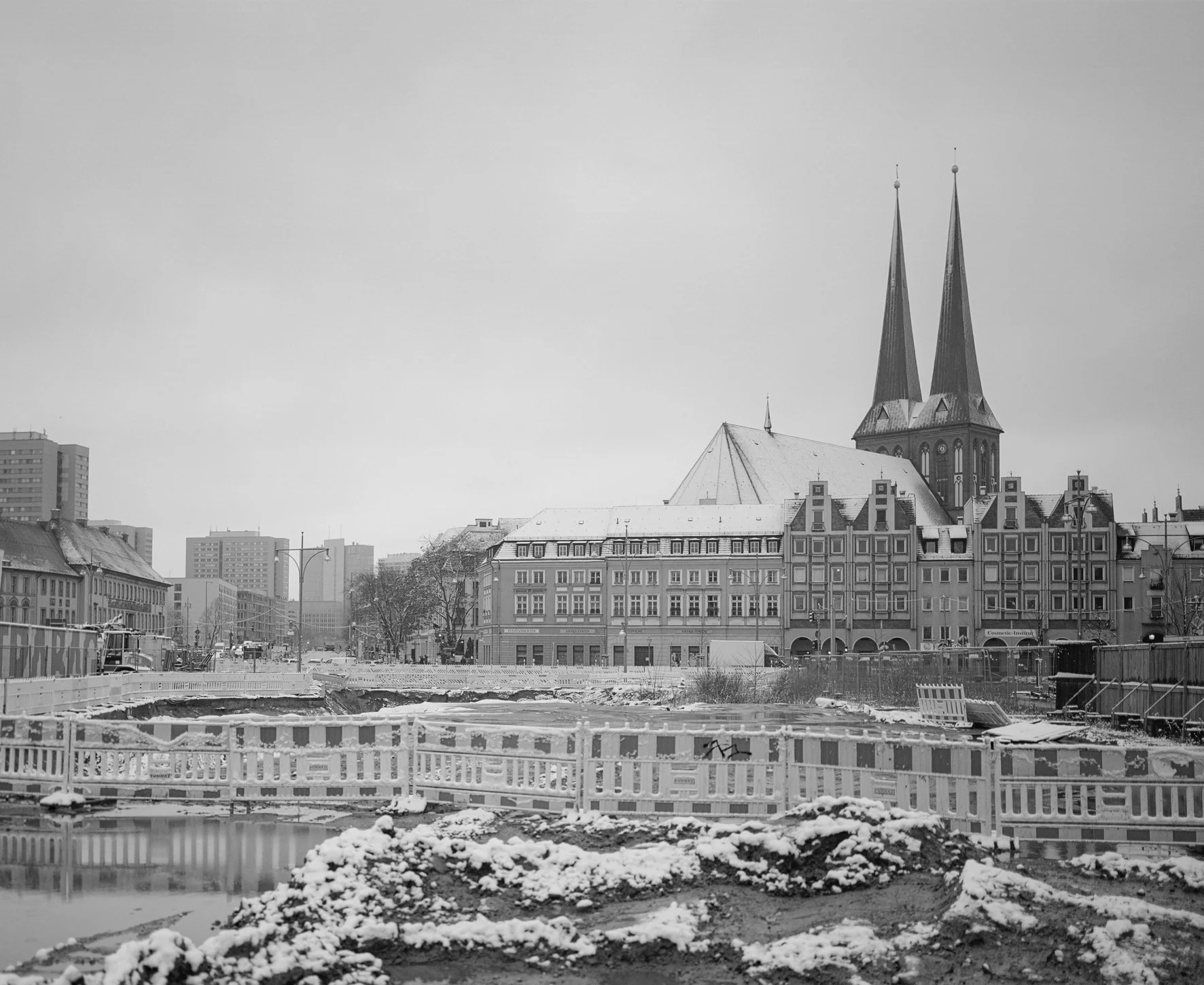
Knapp 200 Jahre später ist das Sublime aus den romantischen Motiven gewichen. Inzwischen werden Touristen mit dem Boot zu den Gletschern Patagonias gekarrt. Der Amazonas steht in Flammen und in Minas Gerais, Brasilien, kostete der eingestürtzte Damm einer Eisenerzmine 272 Menschen das Leben. Die scheinbar intakten Landschaften sind vom Anthropozän gezeichnet und wie damals führt die Spur des Klima-Kolonialismus zurück nach Europa, wo der Hochmut in absurden Architekturprojekten oder den gierigen Agrar-, Freizeit und Tourismusindustrien zum Ausdruck kommt.
—-
The title borrows from a book by Moritz Rugendas, which was first published in 1835 and contains 100 lithographs from Brazil. The painter drew the ‚exotic’ landscapes for Humboldt, who attested to his special talent for depicting the “physiognomy of nature”. Almost 200 years later, the sublime has vanished from the romantic motifs. Today, tourists are carted off by boat to the glaciers of Patagonia. The (wrong) Amazon is on fire and in Minas Gerais, Brazil, the dam of an iron ore mine cost 272 people their lives. The seemingly intact landscapes are scarred by the Anthropocene and Climate Colonialism. And just as then, the trail leads back to Europe, where architectural projects are getting more and more absurd and the greedy food, leisure and tourism industries are not pausing for nature.
The series was presented at Kunsthaus Bethanien as part of the OSTKREUZ seminar with Tobias Kruse.